Infectieziekten betekenis
Virale infectieziekten zijn: hiv, pokken, waterpokken, mazelen, bof, rodehond, SARS, influenza, verkoudheid, hepatitis, herpes, knokkelkoorts en COVID Bekende door een prion veroorzaakte ziekten zijn kuru, de ziekte van Creutzfeldt-Jakob, Boviene spongiforme encefalopathie (koe) en scrapie (schaap en geit). Infectieziekten zijn ziekten die worden veroorzaakt door bacteriën, virussen, schimmels of parasieten. Dit noemen we ook wel ziekteverwekkers. Er zijn veel onschuldige infectieziekten waar je niet erg ziek van wordt en die vanzelf weer over gaan. Andere infectieziekten kunnen wel gevaarlijk zijn. Infectieziekten betekenis Infectieziekten worden veroorzaakt door micro-organismen (virussen, bacteriën, schimmels en parasieten) en komen veel voor. Ze kunnen ontstaan als uw afweersysteem tekortschiet of als het micro-organisme erg sterk is.


Microben Microbes are tiny living things that are found all around us. Also known as microorganisms, they are too small to be seen by the naked eye. They live in water, soil, and in the air. The human body is home to millions of these microbes too. Some microbes make us ill, others are important for our health. The most common types are bacteria, viruses and fungi. There are also microbes called.
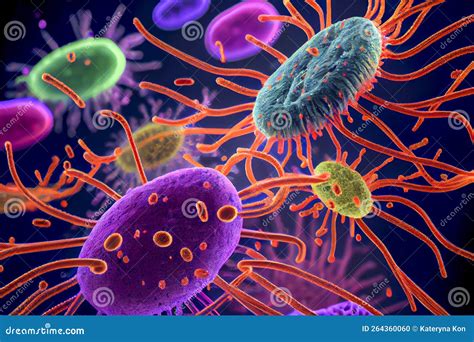
Besmettelijke ziekten
Lang niet alle infecties zijn overdraagbaar van mens (of dier) op mens, dit geldt alleen bij besmettelijke ziekten. Besmettelijke of overdraagbare ziekten verspreiden zich door direct contact met een reeds geïnfecteerd individu, via ingeademde druppels in de lucht afkomstig van hoesten of niezen, door contact met lichaamsvloeistoffen van. Besmettelijke ziekten noemen we ook wel infectieziekten. Een infectieziekte is een ziekte die wordt veroorzaakt door bijvoorbeeld bacteriën, virussen en schimmels. Sommige van deze ziekten worden van mens tot mens overgedragen. De ene besmettelijke ziekte is heftiger dan de andere.Besmettelijke ziekten Hoe worden besmettelijke ziekten overgedragen? Besmettelijke ziekten kunnen op verschillende manieren worden overgedragen: Via bloed en lichaamsvloeistoffen: door contact met besmet bloed (via medische ingrepen, tatoeages, besmette injectienaalden enz.), via bloedtransfusie of via lichaamsvloeistoffen zoals sperma of vaginavocht.
Epidemie
An epidemic is the rapid spread of disease to a large number of hosts in a given population within a short period of time. Learn about the factors that may contribute to causing an epidemic, such as antigenic change, drug resistance, transmission, seasonality and host density. Quelle est la différence entre ces trois termes qui désignent des situations sanitaires différentes? Découvrez les caractéristiques, les causes et les conséquences de chaque cas, avec des exemples concrets comme le Covid ou la grippe espagnole. Epidemie The meaning of EPIDEMIC is affecting or tending to affect a disproportionately large number of individuals within a population, community, or region at the same time.Pandemie
A pandemic is a global outbreak of an infectious disease that affects many people and can cause severe health and social impacts. Learn about the causes, consequences and responses to past and current pandemics, such as the Black Death, the Spanish flu and COVID Learn about the causes, effects, and examples of pandemics, outbreaks of infectious disease that affect a large part of the world's population. Explore the history of pandemics such as the Black Death, the Spanish flu, and the COVID pandemic.Pandemie Disease: Coronavirus disease (COVID): Virus strain: Severe acute respiratory syndrome coronavirus 2 (SARS‑CoV‑2): Source: Bats [1] (indirectly) [2]: Location: Worldwide: Index case.