Acuut coronair syndroom, of ACS, treedt op wanneer de bloedtoevoer naar het hart drastisch is verminderd. In de meeste gevallen wordt het veroorzaakt door het scheuren van een atheromateuze plaque in de kransslagaders. Atheromateuze plaques zijn abnormale ophopingen van materialen in bloedvaten. Acuut coronair syndroom voorkomen. Acuut coronair syndroom voorkomen is niet in alle gevallen mogelijk. Zo is het deels erfelijk dat iemand belast is met een hart- en/of vaataandoening. Maar mensen kunnen hun leven wel zo inrichten dat de kans op acuut coronair syndroom drastisch vermindert.
Acuut coronair syndroom betekenis Acuut coronair syndroom De definitie is ontleend aan de beschrijving in de richtlijn van de European Society of Cardiology. 1 Elektrocardiografisch zijn er 2 groepen te onderscheiden: ST-elevatiemyocardinfarct (STEMI) en non-ST-elevatie-myocardinfarct (NSTEMI).
Hartinfarct
Een hartinfarct is een plotseling tekort aan zuurstof in een deel van de hartspier, meestal door een afgesloten kransslagader. Lees over de risicofactoren, de klachten, de diagnose, de complicaties en de behandeling van een hartinfarct. Heart attacks occur when there is a lack of blood supply to the heart. Symptoms include: chest pain, pressure, or tightness; pain that may spread to arms, neck, jaw, or back.
Hartinfarct Een hartaanval (hartinfarct) is een ernstige aandoening van de kransslagaders die zuurstof naar het hart brengt. Lees hier wat de oorzaken, symptomen, behandeling en preventie zijn, en hoe je je zelf kunt helpen.
Angina pectoris
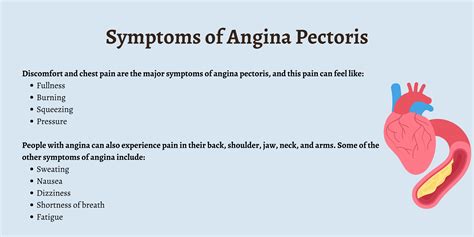
Angina (an-JIE-nuh or AN-juh-nuh) is a type of chest pain caused by reduced blood flow to the heart. Angina is a symptom of coronary artery disease. Angina also is called angina pectoris. Angina is often described as squeezing, pressure, heaviness, tightness or pain in the chest. It may feel like a heavy weight lying on the chest. Angina is chest pain or discomfort that happens when your heart isn’t receiving enough oxygen-rich blood. Learn about the different types of angina, how to manage it and when to seek emergency care.
Angina pectoris Learn about stable angina, the most common type of angina, which causes chest pain or discomfort during physical activity or emotional stress. Find out the symptoms, triggers, treatment and prevention of stable angina.
Ischemie
Ischemia is a restriction in blood supply to any tissue, muscle group, or organ of the body, causing a shortage of oxygen that is needed for cellular metabolism. It can affect various parts of the body, such as the heart, brain, limbs, kidneys, and skin, and can lead to tissue damage, necrosis, or stroke. Coronary ischemia, myocardial ischemia, [1] or cardiac ischemia, [2] is a medical term for abnormally reduced blood flow in the coronary circulation through the coronary arteries. [3].
Ischemie «On parle d’ischémie quand les cellules sont privées d’oxygène par un défaut d’apport sanguin, explique le chirurgien vasculaire. Certaines cellules, notamment les cellules neurologiques, ne résistent que quelques minutes à la privation d’oxygène tandis que d’autres comme les cellules de la peau ou des os peuvent survivre plusieurs heures.
Cardiologie
Cardiology (from Ancient Greek καρδίᾱ (kardiā) ' heart ' and -λογία () ' study ') is the study of the logy is a branch of medicine that deals with disorders of the heart and the cardiovascular system. di·ol·o·gy (kär′dē-ŏl′ə-jē) n. The branch of medicine that deals with the diagnosis and treatment of diseases and disorders of the heart. car′di·o·log′i.
Cardiologie La cardiologie est la médecine des maladies du cœur et du système circulatoire. Elle comprend le diagnostic, le traitement et la prévention des troubles cardiaques, ainsi que des sous-spécialités et des techniques spécifiques.